How to Verify Your Nicotine Pouches Are Genuine — Seven Things to Check Right Now
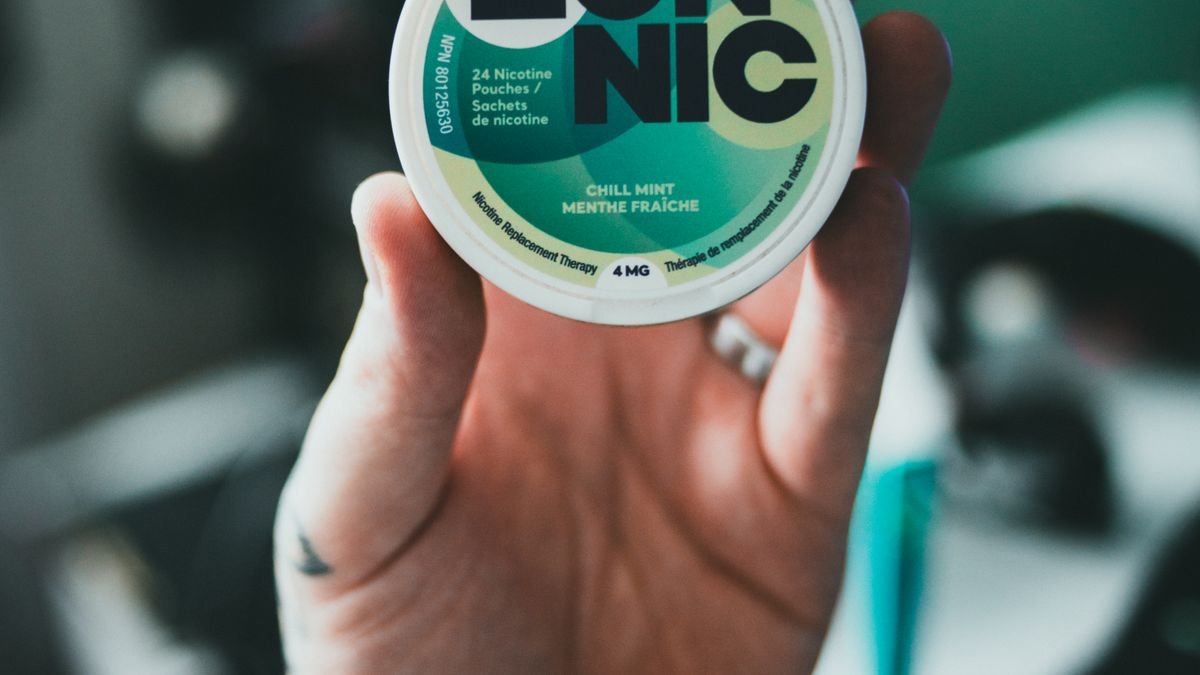
When you buy nicotine pouches online in India, you are trusting the seller completely. There is no shop to walk into, no product to inspect on a shelf. Fakes exist here — relabelled local products, repackaged expired stock, cans that look right but are not. Most of them look convincing until you know what to check. This guide gives you seven things you can verify on any can, from any brand, in under five minutes.
Start here — barcode, batch code, serial number, expiry
Before anything else, check the can for four things: a barcode on the side or base, a batch code printed on the base, a serial or lot number, and a best-before date. Every genuine can from every legitimate brand carries all four. They are how the manufacturer tracks production, quality and shelf life. If any of these are missing, unreadable, or printed in a smudged or mismatched font — stop. That is not a quality control slip. That is a fake.
One specific red flag: if you ordered multiple cans and every single one has the exact same batch code or serial number, the cans did not come from a licensed production run. Genuine batches have codes that vary across units. Identical codes across every can in your order means one real can was used as a template and the rest were copied.
Does the lid still have its first-open resistance?
Every genuine nicotine pouch can — ZYN, VELO, Pablo, White Fox, CLEW or any other — is sealed at the factory before it leaves. That seal creates a specific resistance when you open the can for the first time. It should feel like it has never been opened. On most cans the lid clicks, the safety ring breaks cleanly, or a protective film tears away. If none of that happens, the seal is already gone.
The most common fake workaround is a sticker placed over the lid join to simulate a seal. It looks similar at a glance but feels different — slightly raised, with a different peel angle than the genuine lid. If your can has a sticker where the seal should be, or the lid opens with no resistance at all, do not use it.
Look at the label carefully — not quickly
Every established nicotine pouch brand controls its packaging tightly. Colours, fonts, label dimensions and print quality are consistent across every can from a licensed facility. Fakes get the details slightly wrong: a shade that is close but not exact, a font that is almost the right weight, a label that sits a fraction off-centre. You usually notice something is wrong before you can name what it is.
Pull up an image of the same product from the brand's official site or a verified international retailer and compare. The difference on a fake is usually subtle — but once you are actually looking for it rather than glancing at it, it shows.
Check the printing — any typo, smudge or faded colour fails
Hold the can up to a good light and look at the printing up close. On a genuine can, every word is sharp, every colour is vivid and consistent, and there are no smudges, streaks or faded patches anywhere on the label. Look specifically for: typos in the brand name or flavour description, text that blurs or breaks at the edges, colours that bleed into each other, or any area where the ink coverage looks thin or uneven. None of these appear on a can that came off a licensed production line.
Printing quality is one of the easiest ways to catch a fake because counterfeit cans are produced on cheaper equipment with cheaper inks. From a distance they can look fine — up close they do not. If the font looks almost right but not quite, if the brand's signature colour looks slightly dull or shifted, or if any part of the label looks like it was printed at a lower resolution than the rest — that is not a batch variation. That is a different product entirely.
Open the can and feel a pouch between your fingers
Take one pouch out and hold it. A genuine pouch feels soft, evenly filled and slightly moist. It holds its shape without feeling stiff or crumbly. Fake pouches often use a cheaper filler — drier, looser, sometimes noticeably harder or unevenly packed. The difference is immediately obvious once you are holding it.
If you have used the brand before, this check takes three seconds. Your fingers already know what a real one feels like. If it feels different from what you remember — trust that.
Use one — does the strength match the label?
A genuine pouch at a stated strength delivers that strength. A 6mg should feel gentle. An 11mg should feel meaningfully strong. Mint should taste clean and last through the session. Citrus should taste bright. The flavour and nicotine release should build steadily and hold — not spike in the first minute and vanish.
Fakes often underdeliver on nicotine because pharmaceutical-grade nicotine is expensive. They compensate with cheap flavouring that hits hard immediately then drops off. If the onset feels wrong, the flavour collapses fast, or the strength does not match what the mg number should feel like — that is the product telling you something about its source.
Would your seller send a photo of your can right now?
Before you place your next order anywhere, ask: can you send me a photo of the specific can I am buying — seal intact, batch code visible on the base? A seller with genuine stock can do this in a few minutes. It is not an unusual request. It is what confidence in a product looks like.
If a seller delays, sends a generic stock image, or declines — that is your answer. At ZeroSmoke, photo verification is available on every order before it ships, no questions asked. Browse the full range at /store, and if you have already received something that fails any of the checks above, email us — we will help you assess it.